
What Acts 2:42–47 Reveals About a Healthy Church
Acts 2:42–47 paints a warm picture of a Spirit‑filled church family devoted to the apostles’ teaching, sharing life together, breaking bread, and praying, and God keeps adding new believers to their number. It reminds us that a healthy church stays deeply connected to Jesus while joyfully welcoming others into this life‑changing community.
Acts 2 is a beautiful snapshot of the very first Easter community. About three thousand people have just responded to Peter’s message at Pentecost. Many of them never heard Jesus teach in person, never walked through Holy Week with him, and never saw the empty tomb, yet the gospel reaches their hearts.
The good news of Jesus is not a short‑term offer; it is still powerful and life‑giving “even 50 days later.”
Luke then shows us what these new believers actually did together. They “devoted themselves to the apostles’ teaching and fellowship, to the breaking of bread and the prayers.” They gladly learned from leaders who were simply passing on what they had received from Jesus.
They shared life so closely that their schedules, meals, and even their needs overlapped. They gathered around the Lord’s Table, proclaiming Jesus’ death and resurrection each time they shared the Eucharist, also known as the Lord's Supper or Holy Communion. And they prayed in ways that kept drawing them back into God’s heart and sending them back out into God’s mission.
Recent studies remind us how different this picture is from much of Western Christianity today. One report on church decline notes that Western nations account for over 77% of the worldwide drop in church membership, with some areas seeing nine churches close in a single day.[1]
Into that sobering reality, Acts 2 offers hope, not a trip down memory lane, but a Spirit‑given pattern for renewal: a church family that learns, shares, worships, and prays in ways that naturally draw people toward Jesus.
Why Prayer and Worship Always Push Us Outward on Mission

In Acts, the church’s worship and prayers are not an escape from the world but the fuel for loving, courageous witness. Again and again, God answers their prayers by sending them toward people who need to hear about Jesus, and when those apostolic prayers are answered, believers find themselves living and serving in ways that look a lot like Jesus’ own ministry.
When the apostles need to replace Judas (Acts 1), they turn to prayer, asking God to provide a faithful witness to the resurrection who can help carry the ministry forward. Later, when Peter and John are threatened (Acts 4), the church does not ask for an easier path; instead they pray, “Enable your servants to speak your word with great boldness.”
God answers in a powerful way; the place where they are meeting is shaken, they are filled with the Holy Spirit, and they go out and “speak the word of God boldly.”
Later, when everyday needs arise among widows (Acts 6), the apostles explain that they must stay focused on “the ministry of the word and prayer.” At first, that might sound like private study and quiet prayer time. But in Acts, their preaching and praying consistently move them toward people who do not yet believe, so that “even a large number of priests became obedient to the faith.”
Their deep life with God overflows into public witness, reaching even those who seemed, at least on paper, to have the most to lose.
This pattern challenges how many of us think about prayer. Studies on church life show that nearly all Protestant congregations try in some way to welcome guests; more than 99% use at least one method, from greeters at the door to follow‑up conversations.[2]
Acts 2 invites us to go even deeper: true welcome begins on our knees. As we worship and pray, God shapes us with generous hearts, gives us courage to speak, and opens doors to share the Easter message beyond our walls.
Practicing Generous Hospitality in Our ‘Temple Courts’ Today

Acts 2 shows believers spending everyday life together in the temple and in their homes, sharing meals with “glad and generous hearts,” so that their life together becomes a living witness to the gospel. Their tables are open, not closed circles; they keep making room for people who are not yet part of the community.
There's a small but important contrast: you can certainly have a glad heart while eating alone, but it is hard to have a generous heart if you always eat by yourself. The early Christians invited others into their everyday routines; into their “temple courts” and into their kitchens.
That simple hospitality is likely how even cautious priests moved from merely watching the disciples to joining them. What may have started as “We’d better keep an eye on them” slowly turned into “I’d like to hear more about this Jesus,” and eventually, “I think I’ll stay for dinner.”
For us today, our “temple courts” might look like workplaces, schools, neighborhood parks, or coffee shops, anywhere our paths regularly cross with others. Generous hospitality can be wonderfully simple: adding one more chair at the dinner table for a neighbor, inviting a coworker to lunch, or sitting with someone new on Sunday and asking about their story.
One practical step is to choose one regular meal each week and pray, “Lord, who should share this with us?” Then, with intention and kindness, invite a person or family who might not be expecting an invitation from a church friend.
Over time, these small, steady acts of welcome become a living picture of Acts 2:47, “praising God and having the goodwill of all the people.”
Turning Ordinary Prayers into Bold, Apostolic Prayers
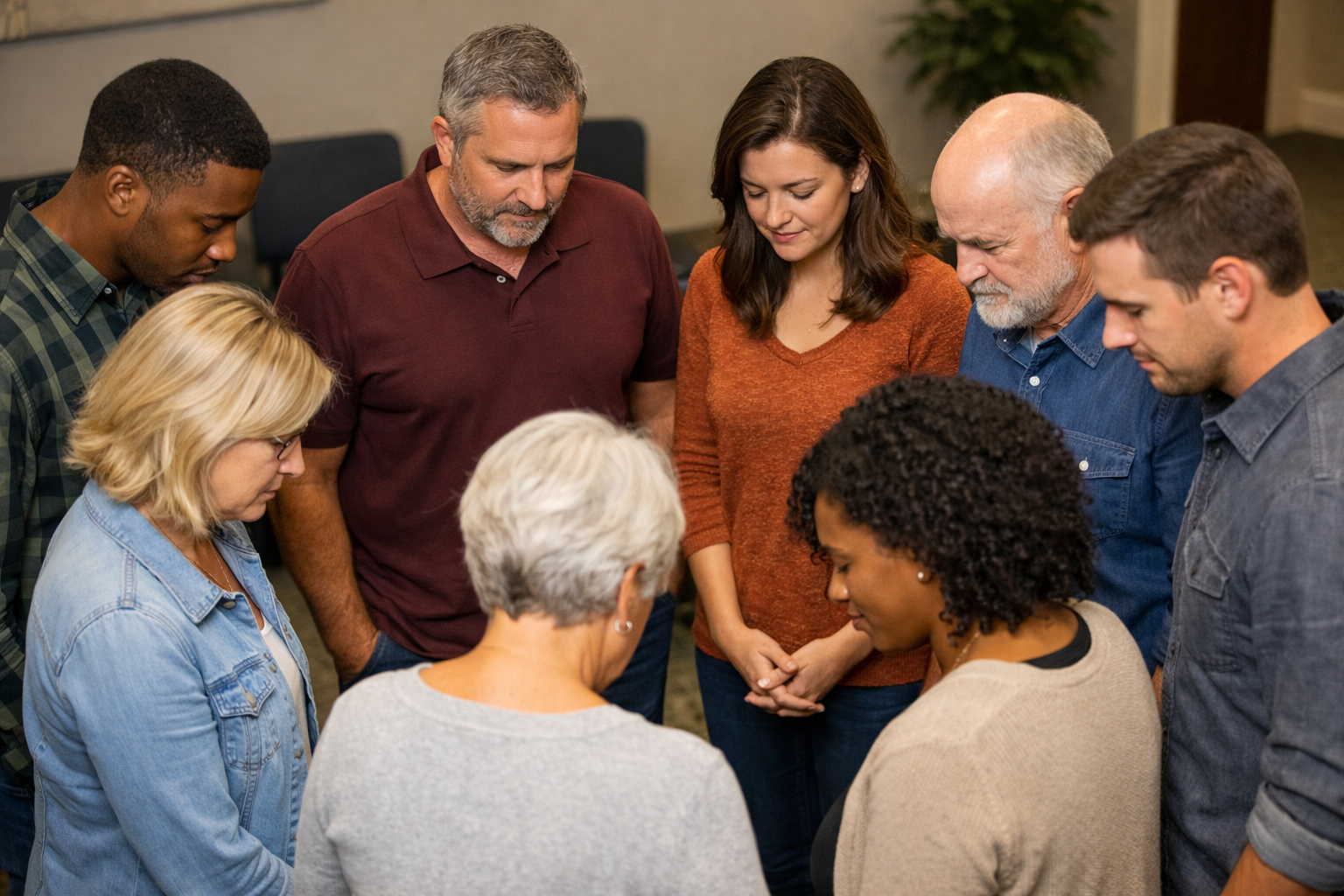
The Book of Acts shows that when believers pray first for God’s mission, rather than only for their own comfort, simple, everyday prayers become powerful catalysts for God’s kingdom work. These kinds of prayers ask God to open doors, give us courage, and provide what we need so we can serve others in Jesus’ name.
In Acts, prayers are often closely connected to God’s mission.
The church prays when choosing leaders, and those leaders are then sent out to care for widows and share the good news. Stephen prays while he is being stoned, echoing Jesus with the words, “Lord, do not hold this sin against them,” so that even his final breath is filled with mercy.
In Antioch (Acts 13), the church is worshiping and fasting when the Holy Spirit calls them to set apart Barnabas and Saul; after more prayer and the laying on of hands, they send them out on the first missionary journey.
One gentle way to live this out is to “flip” some of our usual prayer lists. Instead of only praying, “Lord, keep my family safe,” we might add, “and show us one person we can love and serve for your sake this week.” When we bring our work stress to God, we can also pray, “Help me speak and act in ways that draw my coworkers toward you.”
Over time, these small additions begin to shape us into people who naturally expect God to work through us.
You might start simply by choosing one person who does not yet follow Jesus and praying each day, “Lord, give me chances to listen to them, to serve them, and to speak of you when the time is right.” That kind of steady, mission‑shaped praying is exactly what we see in Acts, and God loves to answer it.
How Community Forms Courageous Witnesses to Jesus

Acts 2 reminds us that Jesus does more than save individuals; he joins them to a visible community, so no one follows him alone and every believer is shaped through shared worship, learning, and service. In God’s design, salvation and belonging always go together.
One commentator puts it beautifully: “He did not add them without saving them… but he also did not save them without adding them.” In other words, new believers are never left on their own as isolated spiritual consumers. They are welcomed and baptized into a people who are learning the apostles’ teaching, sharing what they have, breaking bread, and praying together.
Over time, that shared rhythm, Sunday worship, weekday meals, generous giving, and praying side by side, gently shapes them into faithful witnesses.
We see this same pattern lived out today when a small group commits to praying for ways to bless their city.
One group might volunteer once a month at a local food pantry; as they pack boxes, they listen to people’s stories, offer prayer when it is welcome, and invite new friends to church. Another group might host a neighborhood Bible discussion over dessert, creating a warm, open space where people can ask honest questions about faith.
Those who study religious commitment observe that people rarely keep growing in new beliefs without a caring community around them. The early church seemed to know this instinctively. Their shared life made the gospel visible and compelling to those watching from the outside.
For us, this might look like joining a discipleship group, serving on a ministry team, or simply showing up regularly for worship so others can see that they do not walk with Jesus alone.
Watch the Full Sermon and Take Your Next Step with Jesus
This sermon on Acts 2:42–47 warmly invites you to see that the Easter message is still “good news even 50 days later,” and that Jesus is welcoming you into a community that learns, prays, and opens its arms together. Taking time to watch the full message can help you picture your own next faithful step with him.
As you watch, you might ask, “Where are my ‘temple courts’ today?”, the everyday places God has already put you. Notice how the Spirit may be nudging you toward generous hospitality, mission‑shaped prayer, and deeper community. Your next step could be to trust Christ for the first time, to come back to him after a season away, or simply to ask God for a more generous heart that makes room for others at your table.
Set aside a little time this week to watch the sermon, pray through Acts 2:42–47, and ask Jesus, “How do you want to use my life in your Easter community?” He still gladly adds people, day by day, to those who are being saved.
Support the Mission
Help support the church's mission by clicking the Donate button below.