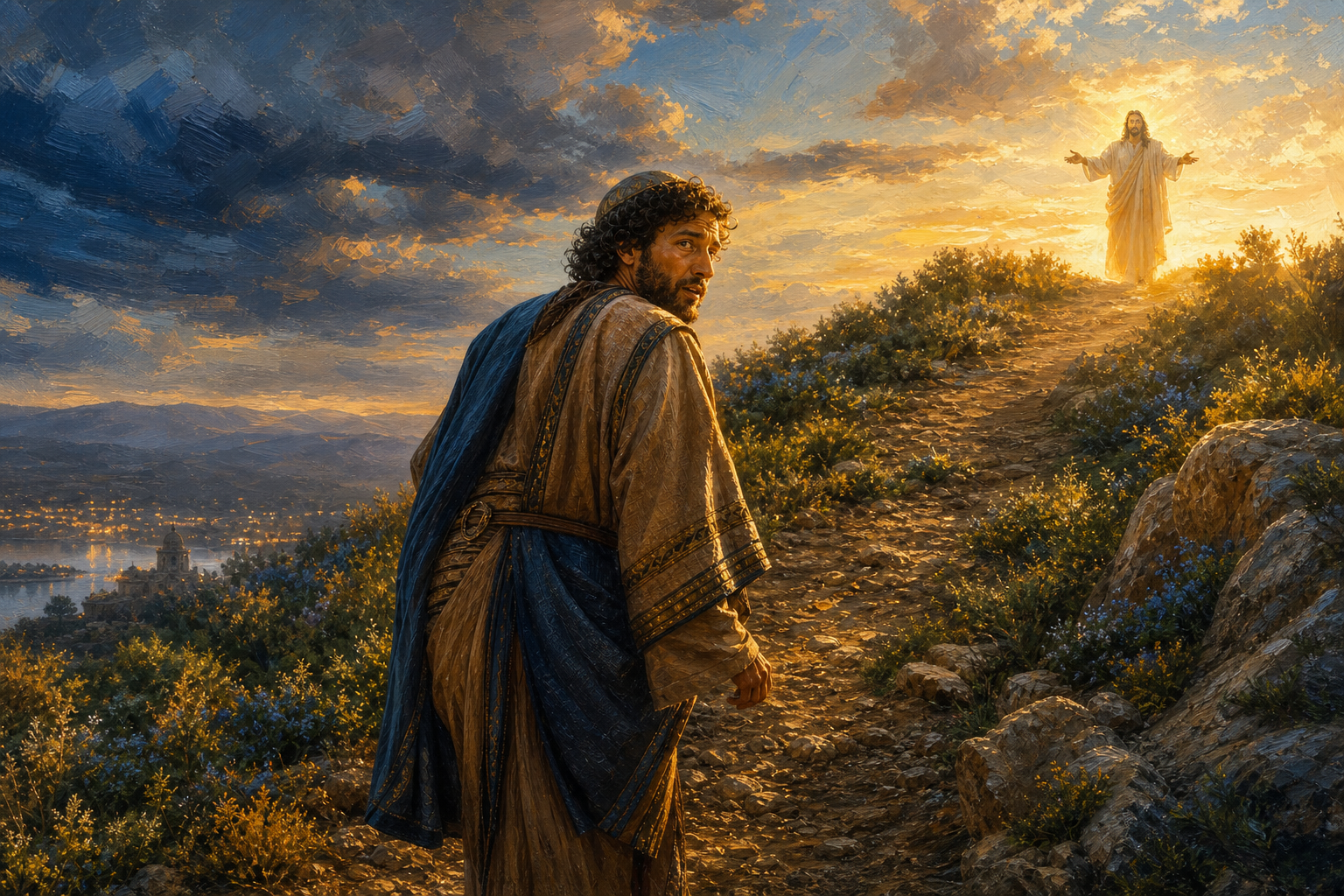
Jesus Walks on Water: The Fierce and Tender God Near You
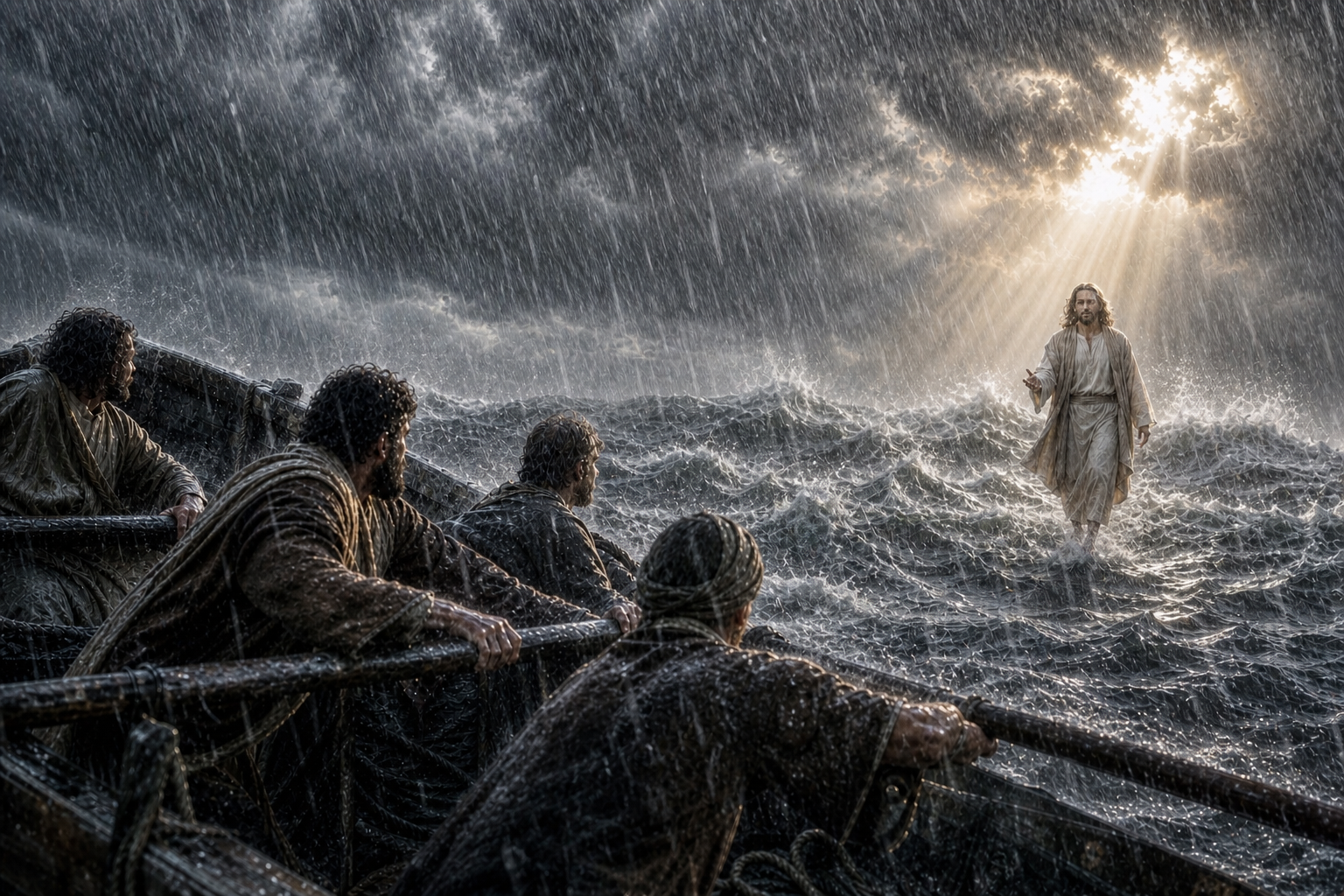
When Jesus Walks Into the Middle of Your Storm When Jesus walks on water, John invites us to see more than an astonishing sign. The same God who brought order to the chaotic waters in Genesis comes close when your own life feels stormy. He meets you in the darkness with these reassuring words: “It is I; do not be afraid” (John 6:20). At first glance, this part of John 6 feels like a simple journey from one place to another. Jesus has just fed thousands, and soon He will teach that He is the Bread of Life. For now, the disciples just need to cross the Sea of Galilee. But even an ordinary trip can become a moment of discovering who Jesus is.
Read MoreSustainable Faith in John 5: When You Feel Stuck
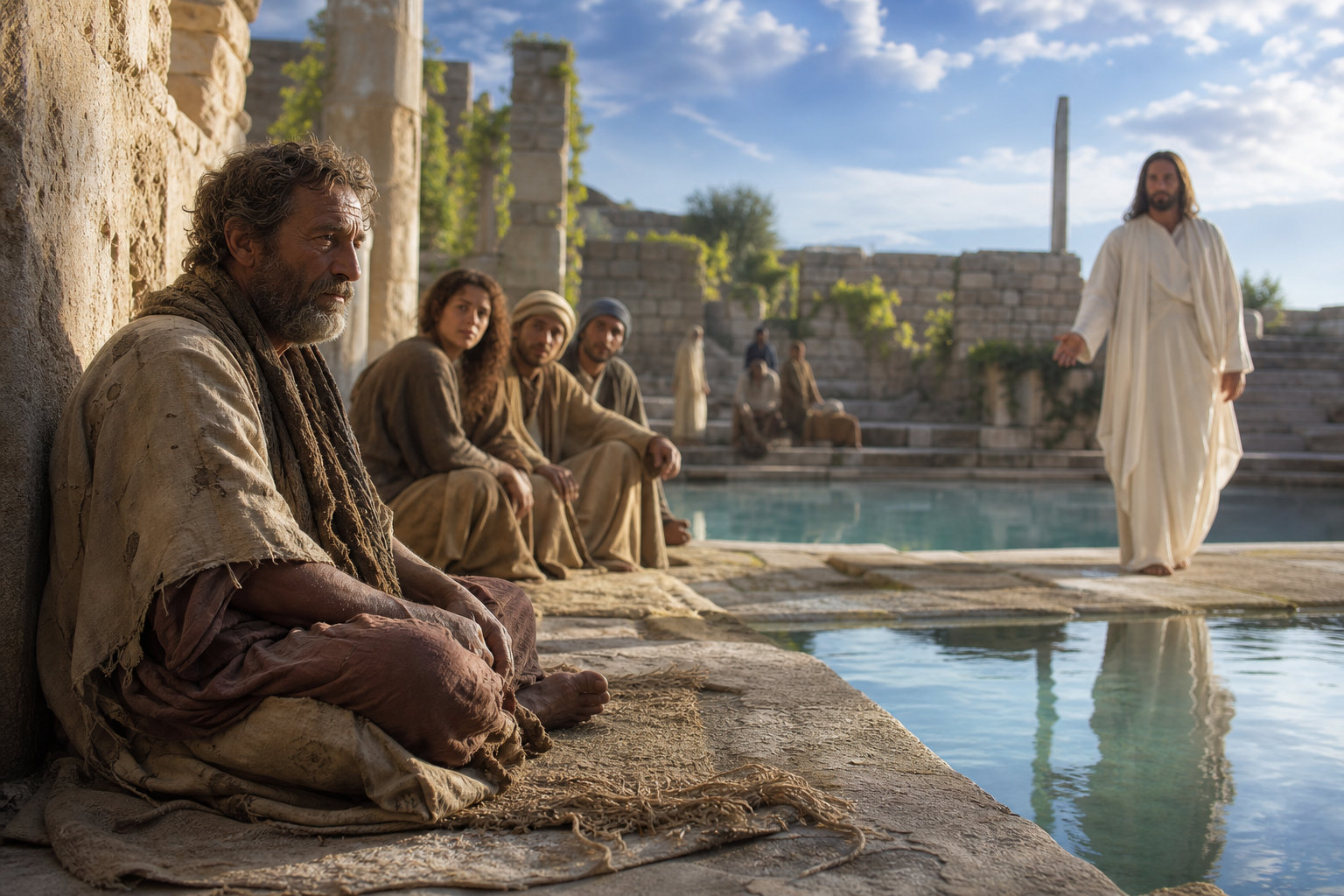
What Sustainable Faith Really Is in John 5 Sustainable faith is not about trying to keep yourself steady or positive all the time. It is about trusting the living Jesus, who is still at work even when your faith feels thin. In John 5, Jesus comes to a man at the pool of Bethesda who shows no clear sign of belief, heals him, and reveals a Father who never stops pursuing his people. John tells us he chose these signs of Jesus so that we might believe and, by believing, have life in his name (John 20:31). Many of those signs center on people who come to Jesus with bold, unmistakable faith. But this story feels different, and maybe a little closer to home. At the pool of Bethesda, faith does not arrive first. Jesus does.
Read MoreWhen Religion Gets in the Way of Jesus
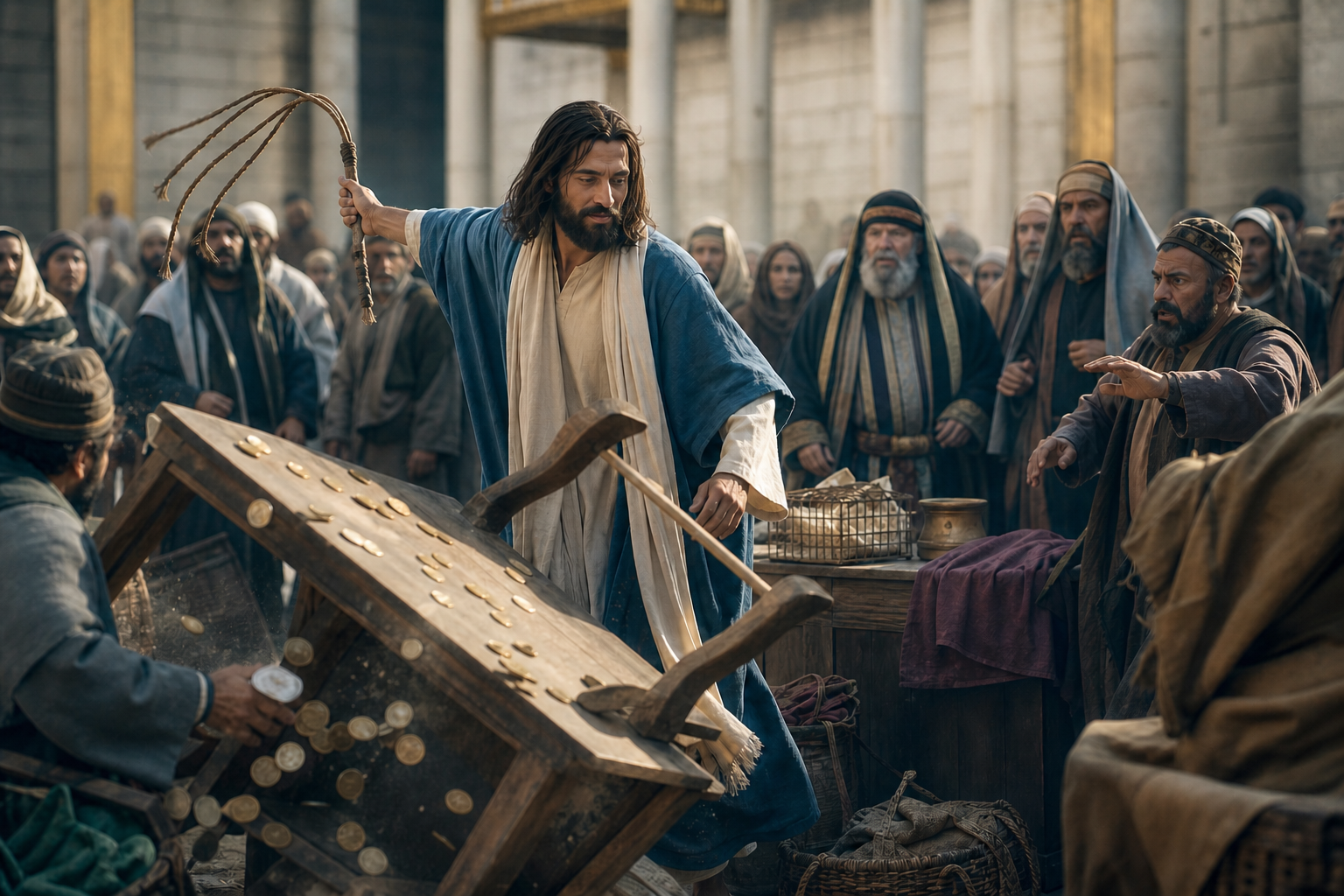
When Religion Becomes a Barrier Instead of a Bridge to God When religion gets in the way of faith, it usually happens quietly: church becomes routine, pain from past hypocrisy lingers, and the noise of spiritual activity drowns out a living relationship with Jesus himself. Many people don’t leave faith overnight; they slowly drift when religion feels busy but empty. You can see this all around us. Recent studies suggest that around 40 million Americans have stopped attending church in the last few decades, a shift some researchers now call “the Great Dechurching” (ChurchLeaders). Another study found that 64% of young adults who grew up in church withdrew from regular involvement as adults (Answered Faith). Many of them will tell you they didn’t stop believing overnight; they just stopped seeing how church connected to real life.
Read MoreGospel of John: Written So You Can Believe and Live
Why John Wrote His Gospel The Gospel of John was written to help you see who Jesus really is, trust Him, and begin to experience the true life found in His name. John carefully selected a few of Jesus’ signs, like turning water into wine and raising Lazarus, so that people with real questions and shaky faith could come to know Him with deeper trust and confidence. Near the end of his book, John pulls back the curtain and tells us exactly what he’s doing. In John 20:30–31 he writes, “Jesus performed many other signs in the presence of his disciples, which are not recorded in this book. But these are written that you may believe that Jesus is the Messiah, the Son of God, and that by believing you may have life in his name.” Think about that for a moment. John is not trying to give us a full biography of Jesus. He knows he is being selective. In fact, he says that if everything Jesus did were written down, the whole world wouldn’t have room for all the books. Instead, John is carefully sharing the stories that matter most for one clear reason: to lead you to Jesus and into life.
Read MoreWilderness Seasons and Waterproof Hope, Isiah 51
When Your Life Feels Like a Spiritual Wilderness When life feels like a wilderness, Isaiah 51 reminds us that God meets us in the hardest places, brings new life to what seems hopeless, and gives us lasting hope through His promises. And baptism points us to our union with Christ and assures us of His presence, even when life remains difficult. You may not describe your life as a “wilderness,” but you may recognize the feeling. Maybe you’re dealing with exhaustion that won’t let up, financial pressure that keeps you awake, or health concerns for yourself or someone you love. Perhaps the future you once imagined now feels uncertain or out of reach. Isaiah 51 speaks directly to moments like these.
Read MoreUnforgettable Glory: How the Transfiguration Shapes Life
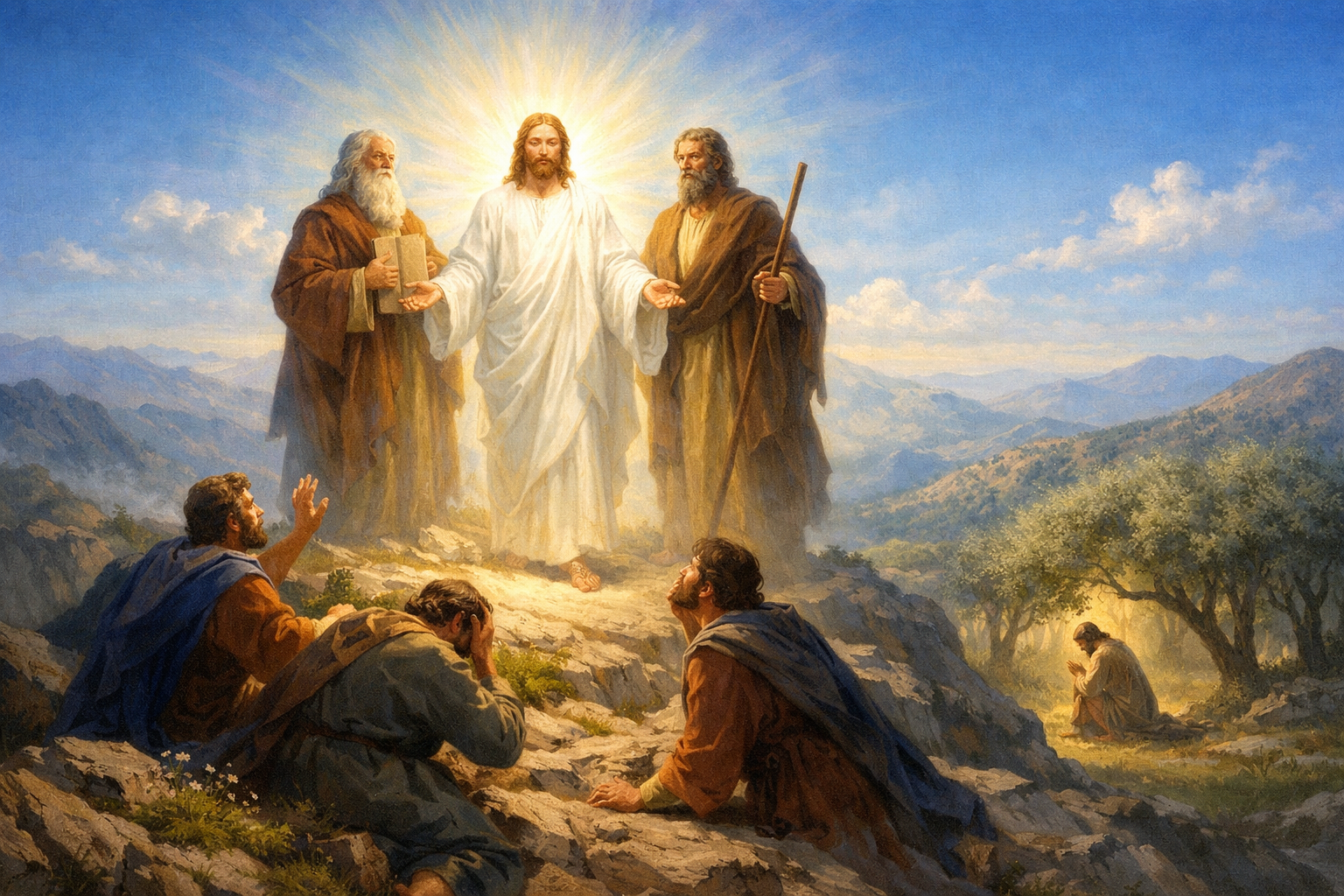
Unforgettable Glory: Why the Transfiguration Still Matters The transfiguration of Jesus reminds us that Christian faith is grounded in something real, not just an inspiring story. In 2 Peter 1:16–18, Peter says he personally saw Christ’s glory and heard the Father’s voice. That means ordinary believers like us can build our lives on something solid, even when life feels unsteady. When Peter writes these words, he seems to be near the end of his ministry and likely facing death under Roman rule. But what stands out is that his focus is not on protecting himself. He is thinking about us. In 2 Peter 1:12–15, he wants to keep reminding believers of the truth so they can hold onto it even after he is gone. That picture feels familiar because we forget so easily.
Read MoreWilliam Tyndale and Why Bible Translation Still Matters Today
Scripture in Our Own Language is a Gift We Easily Overlook Having the Bible in our own language means we get to hear God speak in words we actually use, letting Scripture shape both our hearts and our everyday lives. Christians once risked their jobs, their homes, and even their lives so ordinary people, such as farmers, merchants, and children, could know Christ through words they could truly understand. If you grew up with a shelf full of Bibles, or even just a Bible app on your phone, it can be hard to imagine what it would be like to sit through worship in a language you barely understand. But for centuries, that was the experience of most Christians. Prayers were spoken, Scripture was read, and the sacraments were celebrated in Latin, while many worshippers quietly said their own prayers and listened for the bells that marked the most sacred moments of the service.
Read MoreRight Hand of God: What It Means for Your Life Today
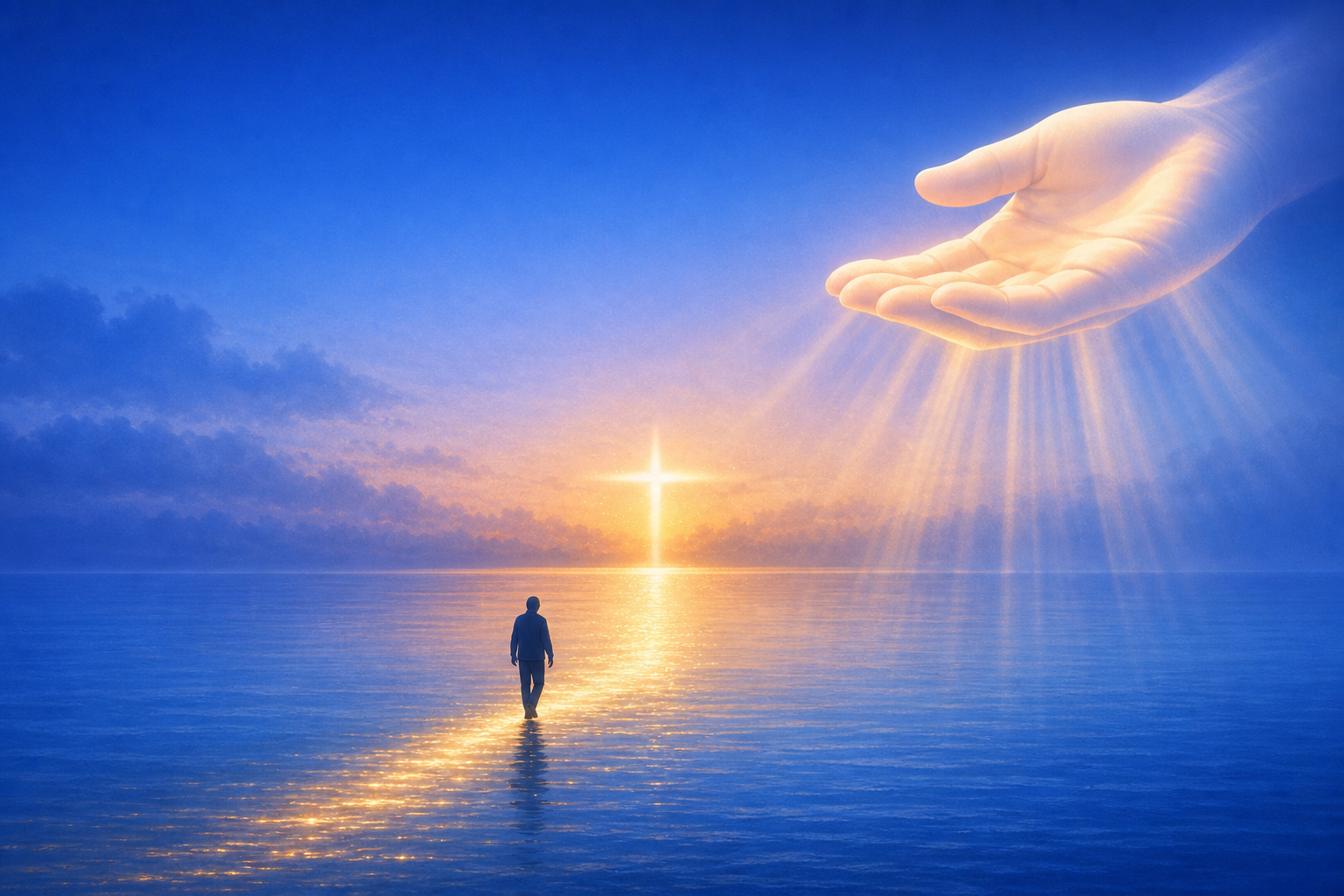
What the Bible Means by the Right Hand of God The right hand of God gives us a beautiful picture of his power, care, and presence, all centered on Jesus. It shows us where Jesus is right now, honored, exalted, and still at work for his people, so you can live each day knowing you are never alone and never forgotten. In John 5:39, Jesus says, “Search the Scriptures…they are they which testify of me.” And when you follow the phrase “right hand of God” through the Bible, which is more than fifty times, you start to see that it keeps leading you back to Jesus. Scripture is not inviting us into random facts or Bible trivia. It is inviting us to know him personally.
Read MoreSeed Among Thorns: When Anxiety Crowds Out Faith
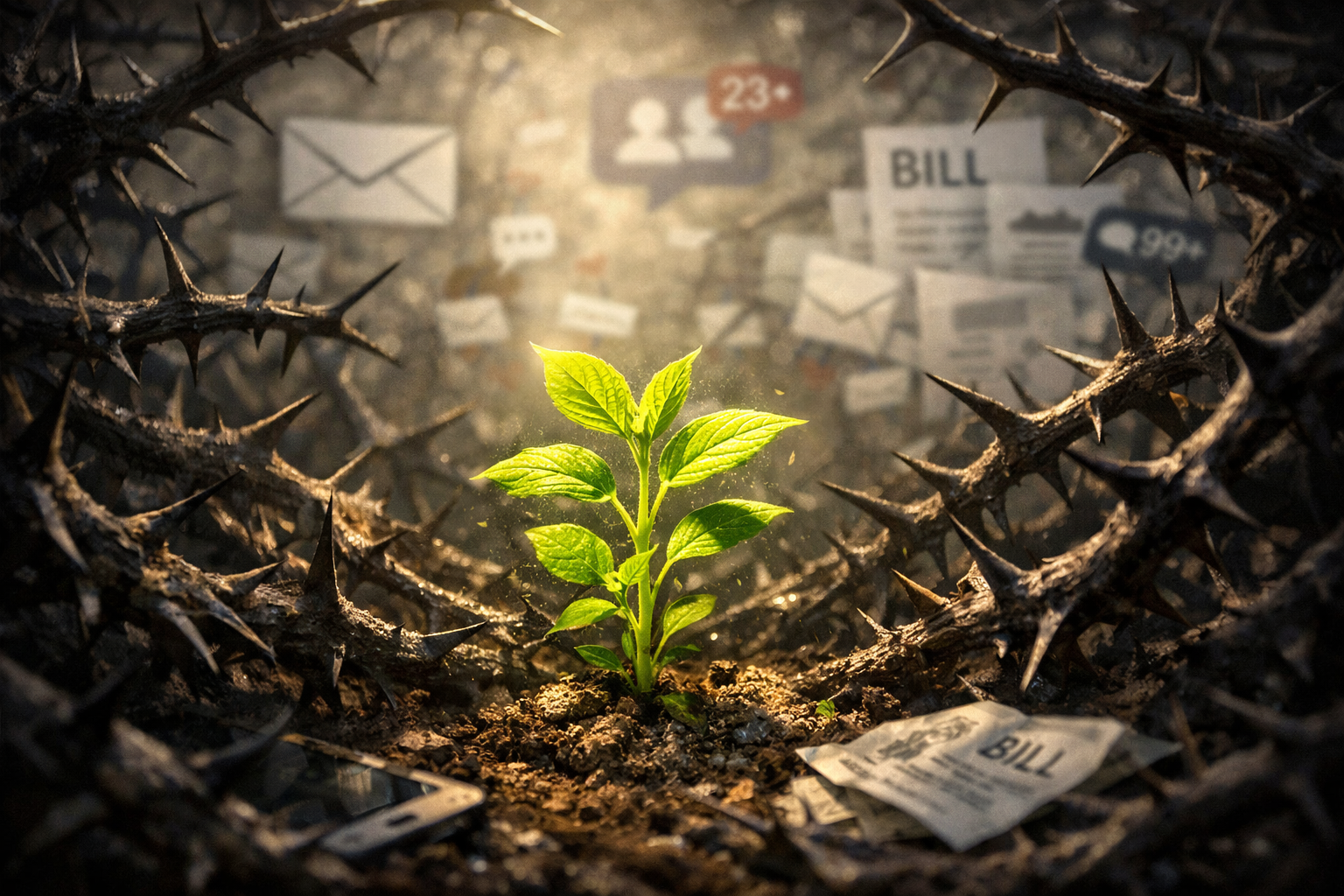
What Jesus Meant by Seed Among Thorns in Our World Today The seed among thorns points to people who really do hear God’s Word and start to grow in faith, but then find themselves slowly crowded by worries, money pressures, and everyday distractions until their lives don’t feel very spiritually fruitful anymore. Jesus isn’t scolding or shaming here; He’s helping us understand why sincere hearts can end up feeling squeezed and stuck instead of free. In Matthew 13, Jesus explains that the seed among thorns is “the one who hears the word, but the worries of this life and the deceitfulness of wealth choke the word, making it unfruitful.” Your heart is like soil; something is always growing there. So, the question isn’t, “Am I growing?” but rather, “What am I growing?”
Read MoreHard Paths and Hungry Birds: Understanding God’s Word
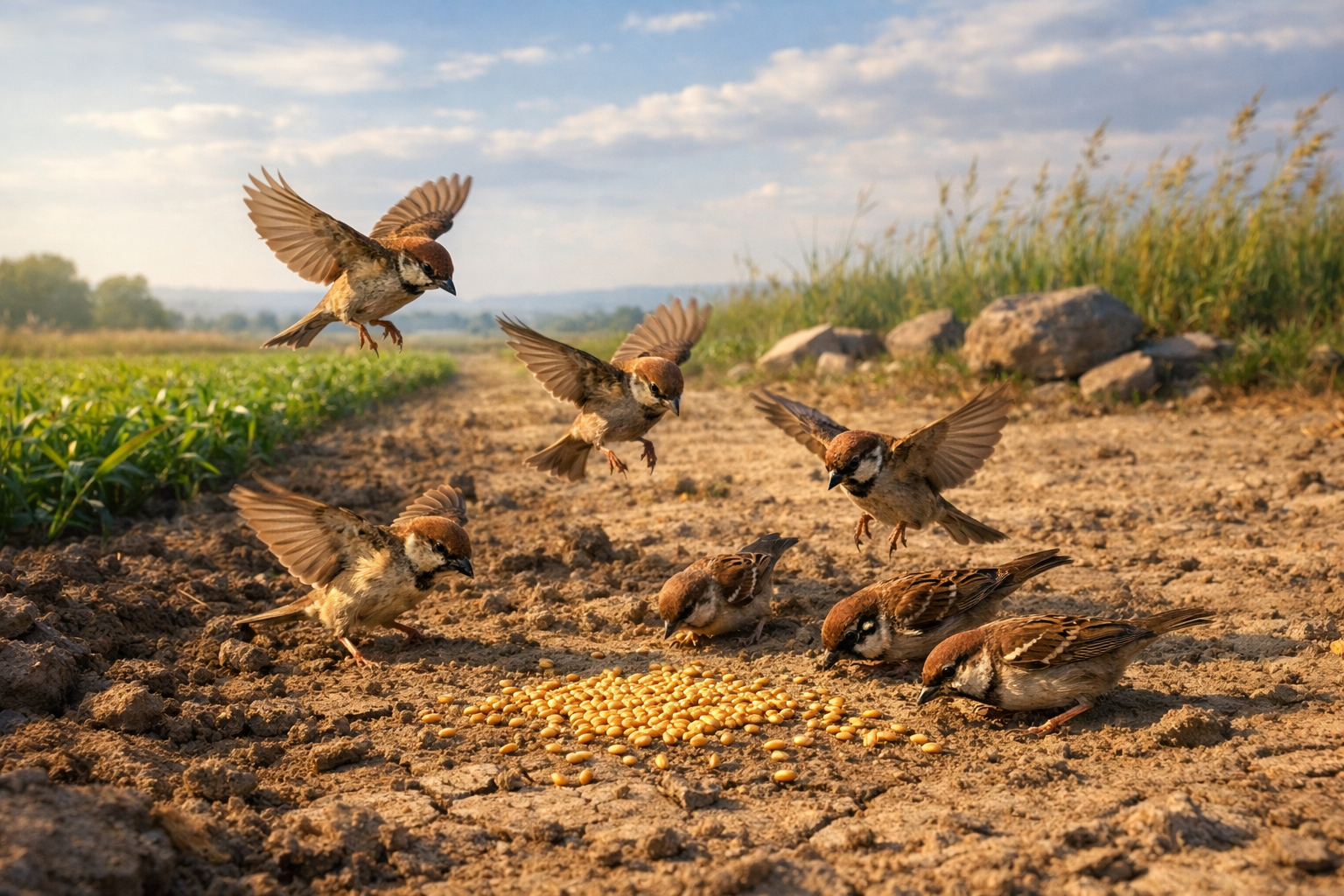
Why Understanding the Gospel Matters More Than You Think When Jesus tells the Parable of the Sower in Matthew 13, He begins with seed that falls along a hard path and is quickly eaten by birds. In this message, that picture isn’t meant as a final verdict on “hard-hearted people,” but as a kind warning about what can happen when we hear God’s word and simply don’t understand it. This parable is not a year‑end report card, but an opening check‑in at the start of the school year. The field isn’t cultivated yet. There are still paths, stones, birds, and thorns everywhere.
Read More