
When Jesus’ Teaching Feels Too Hard (John 6 and Your Doubts)
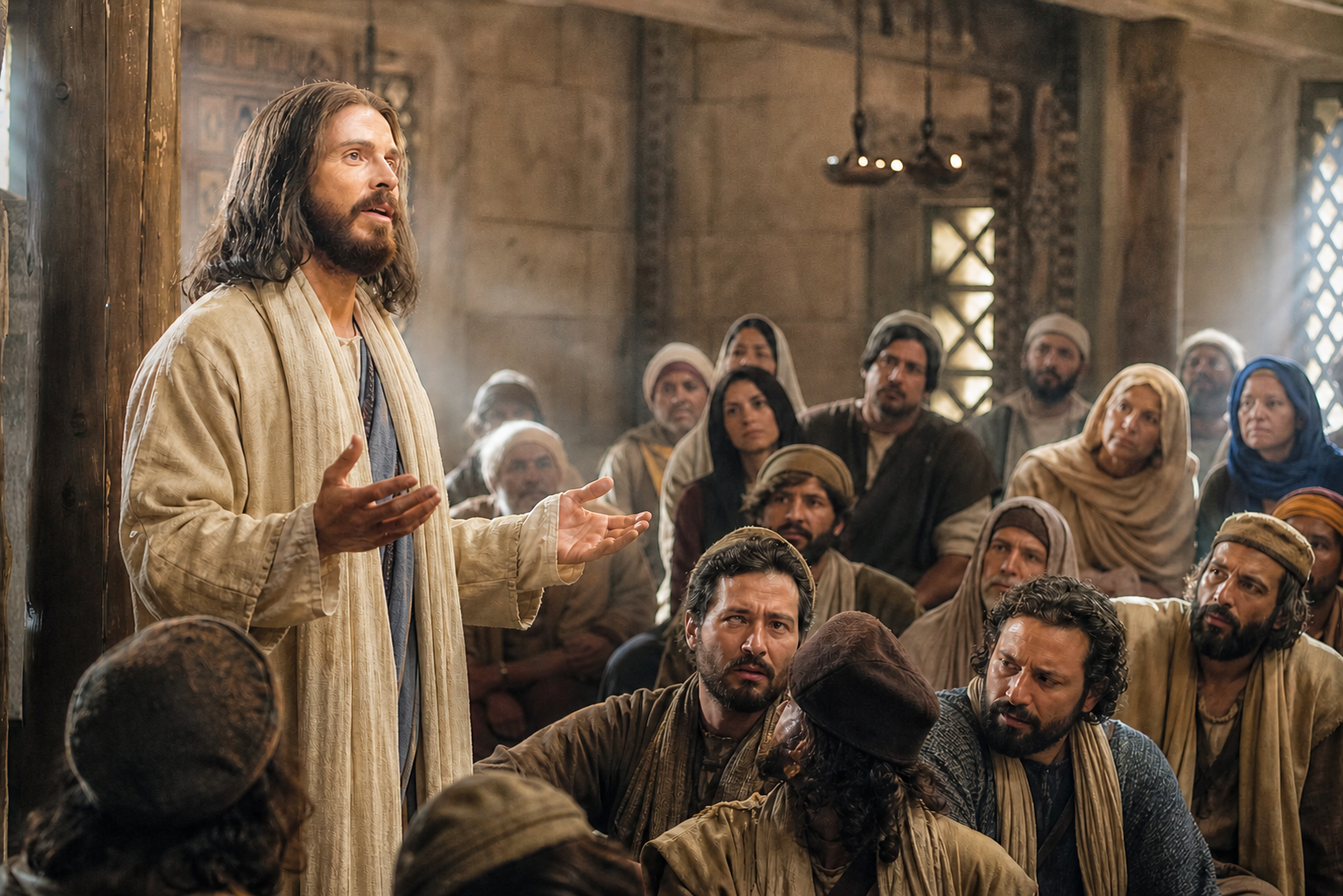
Exploring Honest Questions About Faith In chapter 6 of the book of John, we meet many people who are struggling to make sense of Jesus’ words, “I am the bread of life” (John 6:35). The setting is not a quiet retreat but a packed synagogue in Capernaum. Thousands have followed Jesus after the feeding of the 5,000. They’ve seen the miracle of the loaves and fish multiplied, heard about the storm stilled, and now gather to hear Jesus, bringing their curiosity and questions with them. We may recognize something of ourselves in that crowd. Maybe you’re just getting to know Jesus, working through hurt from a previous church, or hoping to find a community where you can belong. John 6 makes room for honest questions without pretending the answers are easy, and it doesn’t hide the painful reality that some people walk away.
Read MoreFeeding the 5,000: Trusting Jesus With What You Have
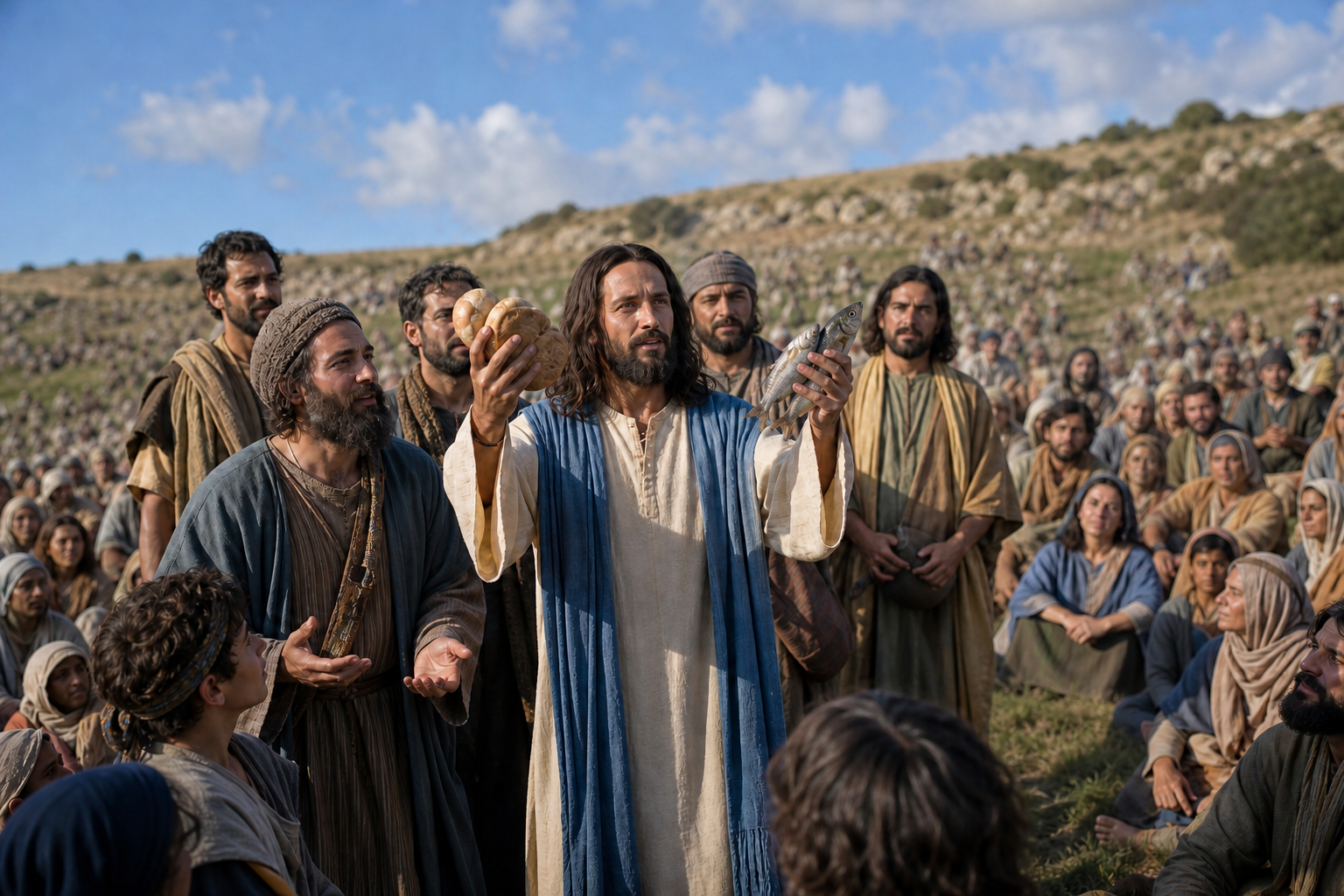
Have you ever looked at your own version of five loaves and two fish (from the feeding of the 5,000 in John 6) and thought, “How could this possibly be enough?” Most of us have been there. Whether it’s a tight budget, low energy, a distracted mind, or hope that feels a little worn, the needs in front of us can seem bigger than what we have to offer. If that sounds familiar, you’re not alone. The story in John 6 invites us to bring that feeling with us as we discover what Jesus does with what seems too small.
Read MoreJesus Walks on Water: The Fierce and Tender God Near You
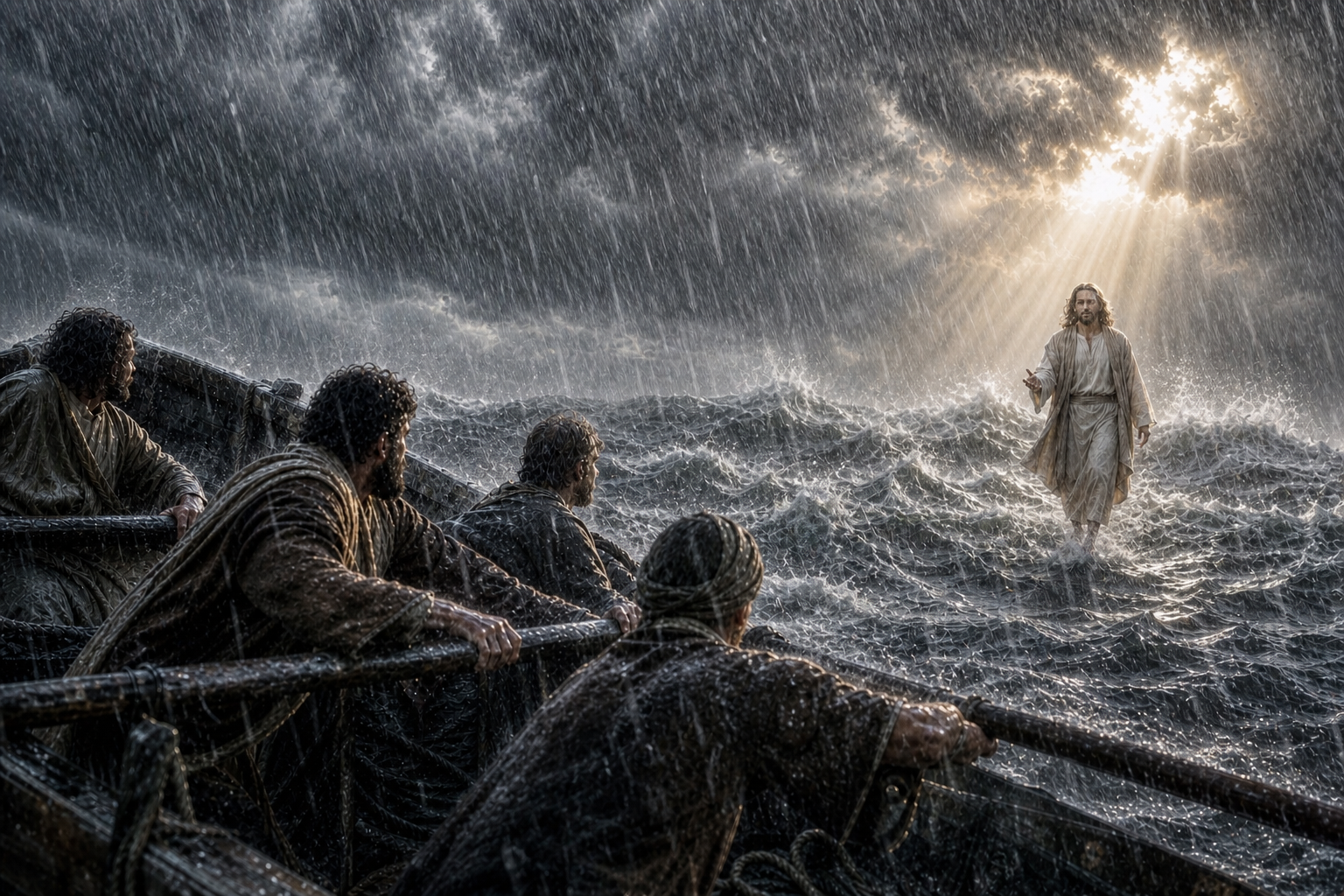
When Jesus Walks Into the Middle of Your Storm When Jesus walks on water, John invites us to see more than an astonishing sign. The same God who brought order to the chaotic waters in Genesis comes close when your own life feels stormy. He meets you in the darkness with these reassuring words: “It is I; do not be afraid” (John 6:20). At first glance, this part of John 6 feels like a simple journey from one place to another. Jesus has just fed thousands, and soon He will teach that He is the Bread of Life. For now, the disciples just need to cross the Sea of Galilee. But even an ordinary trip can become a moment of discovering who Jesus is.
Read MoreSustainable Faith in John 5: When You Feel Stuck
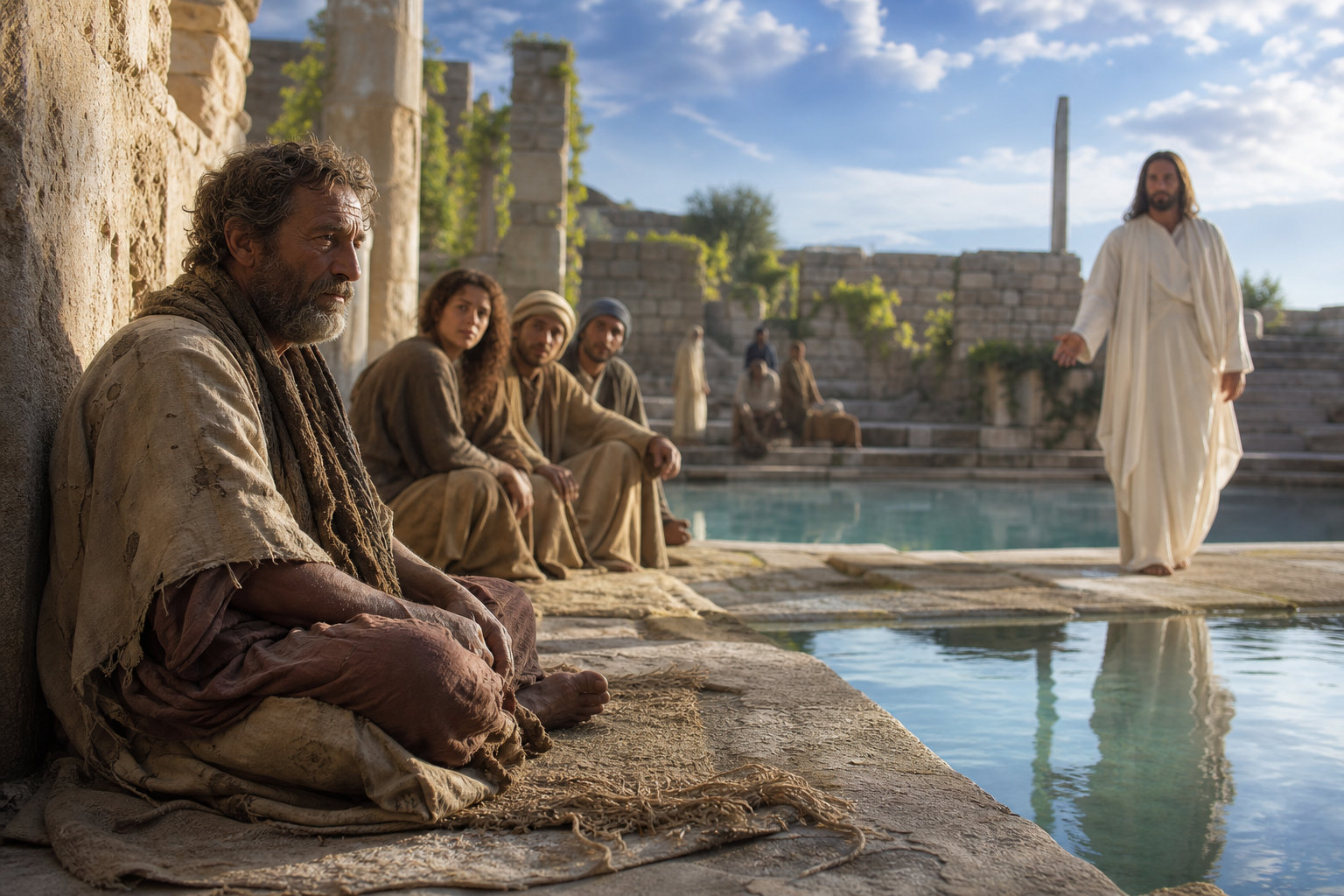
What Sustainable Faith Really Is in John 5 Sustainable faith is not about trying to keep yourself steady or positive all the time. It is about trusting the living Jesus, who is still at work even when your faith feels thin. In John 5, Jesus comes to a man at the pool of Bethesda who shows no clear sign of belief, heals him, and reveals a Father who never stops pursuing his people. John tells us he chose these signs of Jesus so that we might believe and, by believing, have life in his name (John 20:31). Many of those signs center on people who come to Jesus with bold, unmistakable faith. But this story feels different, and maybe a little closer to home. At the pool of Bethesda, faith does not arrive first. Jesus does.
Read MoreTaking Jesus at His Word in Your Crisis Today
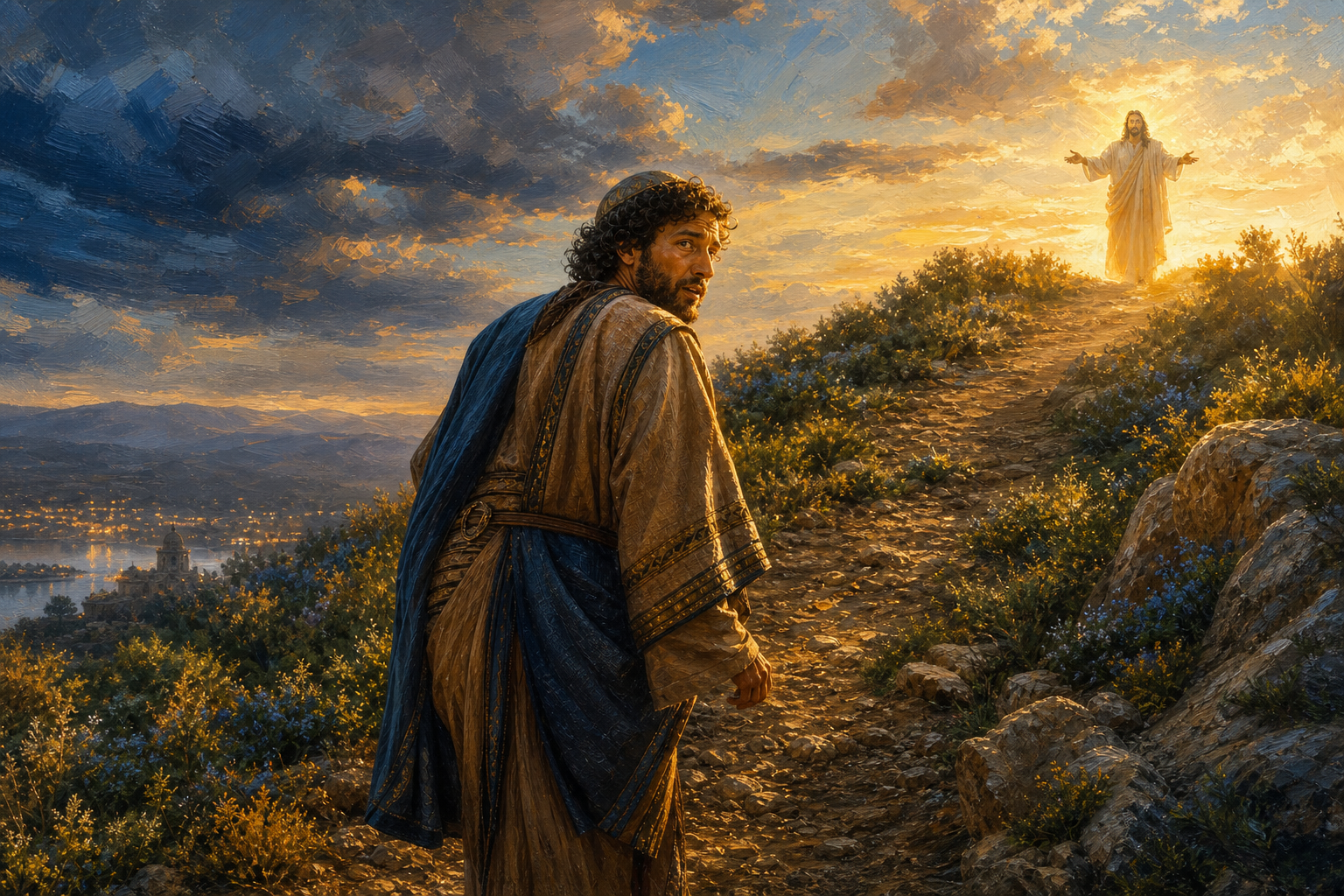
Some Bible stories feel distant, like they belong in another world. John 4:43–54 isn’t one of them. A parent races to Jesus because his child is dying. Words are spoken, a choice is made, and everything changes. That same choice still stands in front of us today. From Admirer to Believer: Why John 4 Still Matters The royal official in John 4 shows us what it looks like to take Jesus at His word in the middle of real life. He travels miles uphill, leaves his dying child behind, and entrusts his whole future to one sentence from Jesus: “Go… your son will live.” In that sense, his decision is not so different from ours. We are still invited to trust Jesus before we can see how the story will end. John tells us exactly why he included stories like this: “These are written that you may believe… and that by believing you may have life” (John 20:31). He is not simply passing along interesting signs or bits of miracle trivia. He is helping us see the difference between admiring Jesus from a distance and trusting Him enough to build our lives on His promises.
Read MoreWilderness Seasons and Waterproof Hope, Isiah 51

When Your Life Feels Like a Spiritual Wilderness When life feels like a wilderness, Isaiah 51 reminds us that God meets us in the hardest places, brings new life to what seems hopeless, and gives us lasting hope through His promises. And baptism points us to our union with Christ and assures us of His presence, even when life remains difficult. You may not describe your life as a “wilderness,” but you may recognize the feeling. Maybe you’re dealing with exhaustion that won’t let up, financial pressure that keeps you awake, or health concerns for yourself or someone you love. Perhaps the future you once imagined now feels uncertain or out of reach. Isaiah 51 speaks directly to moments like these.
Read MoreMercy for Outsiders: The Faith of the Canaanite Woman
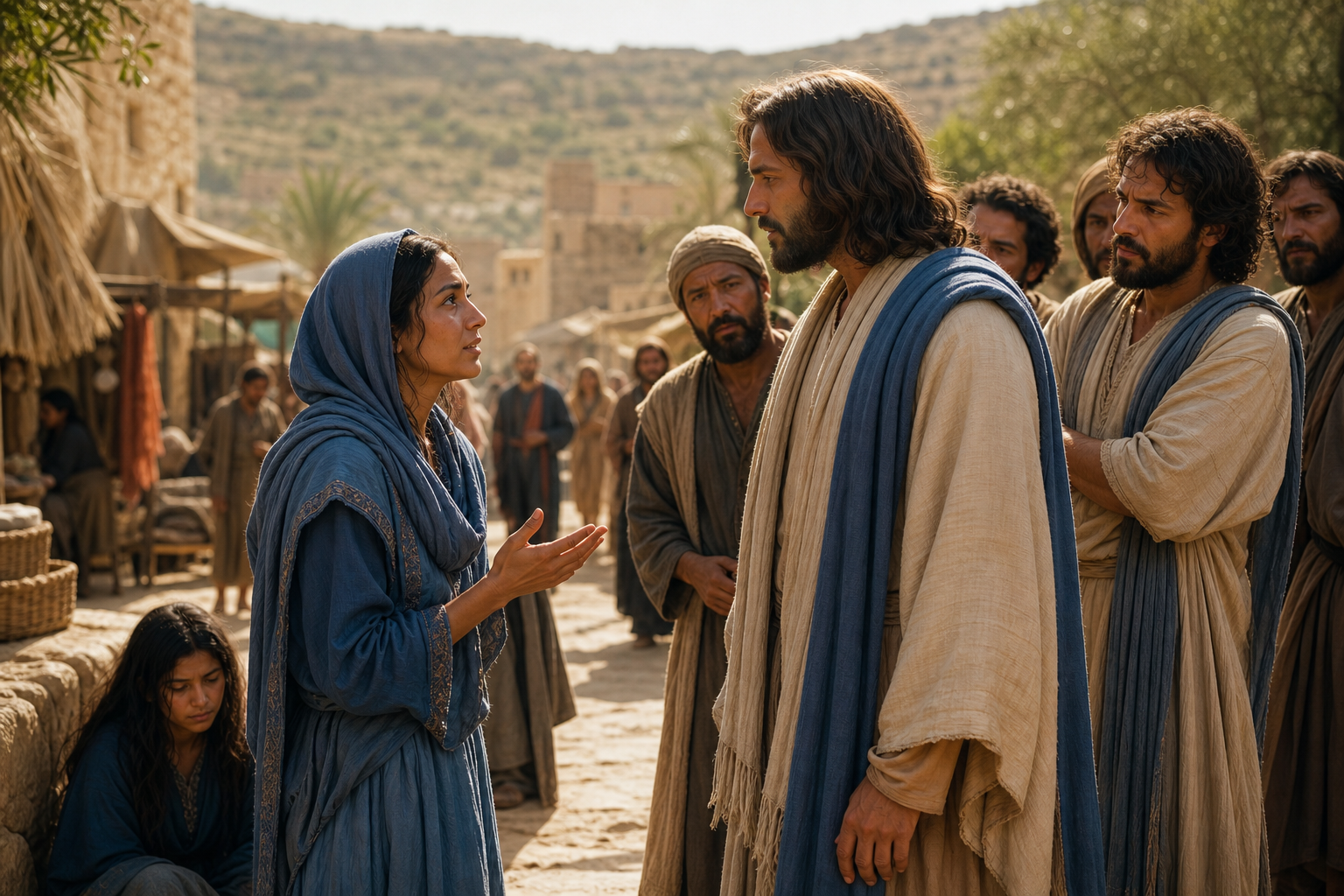
Why the Canaanite Woman’s Story Still Unsettles and Comforts Us Matthew 15 introduces us to a Canaanite mother who comes to Jesus in a place many people considered off-limits, carrying deep concern for her daughter. Some of Jesus’ words may sound difficult at first, but the story ends with Him honoring her “great faith.” In just a few verses, God challenges our ideas about who belongs and invites every one of us to pray, “Lord, have mercy on me.” For many of us, this passage can feel unsettling. It is not a story we often find in children’s Bibles: Jesus seems quiet and distant, the disciples seem annoyed, and a child in need waits in the background. At the same time, this story has brought comfort to generations of Christians who feel like they are on the margins: people who carry painful family situations, complicated pasts, or the worry that they may not truly belong in the church. It reminds us that Jesus meets us with mercy and welcomes us just as we are.
Read MoreMy Grace Is Sufficient: Finding Strength in Your Weakness

What ‘My Grace Is Sufficient for You’ Really Means Today When Paul heard Jesus say, “My grace is sufficient for you,” he received a promise that reaches far beyond simply making it through. God was reminding him, and us, that His presence, power, and favor are already enough for every burden we carry, even when the thorn remains. We do not have to pretend we are strong on our own; when we bring our weakness to Him, His power shines through in beautiful ways. As we read 2 Corinthians 12:7–10, we see Paul honestly share his deep pain. Three times, he asks the Lord to take away his mysterious “thorn in the flesh.” God does answer, though not in the way Paul expects. Rather than removing the problem, Jesus offers him an even greater promise: “My grace is sufficient for you, for my power is made perfect in weakness.”
Read MoreUnforgettable Glory: How the Transfiguration Shapes Life
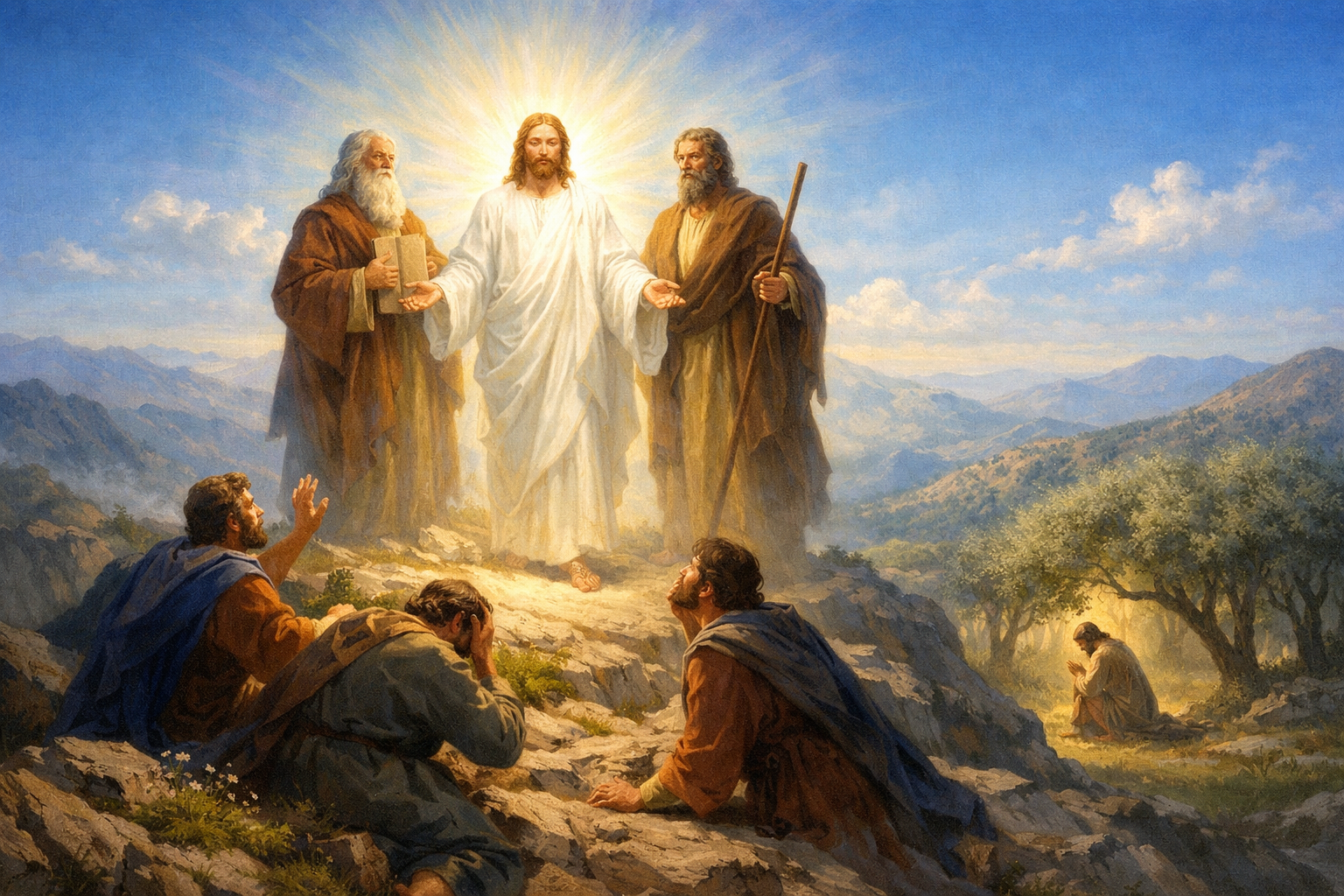
Unforgettable Glory: Why the Transfiguration Still Matters The transfiguration of Jesus reminds us that Christian faith is grounded in something real, not just an inspiring story. In 2 Peter 1:16–18, Peter says he personally saw Christ’s glory and heard the Father’s voice. That means ordinary believers like us can build our lives on something solid, even when life feels unsteady. When Peter writes these words, he seems to be near the end of his ministry and likely facing death under Roman rule. But what stands out is that his focus is not on protecting himself. He is thinking about us. In 2 Peter 1:12–15, he wants to keep reminding believers of the truth so they can hold onto it even after he is gone. That picture feels familiar because we forget so easily.
Read MoreLiturgy of the Laundromat: Let Jesus Do Your Laundry

Why Your Heart Feels Like an Overfull Laundry Basket When life gets busy, we don’t stop needing clean clothes. We just get better at ignoring the growing pile. Spiritual life works the same way. Repentance and forgiveness are like doing laundry with God: we can postpone them, but eventually the “pile” starts to smell, and we feel it in our conscience and our relationships. Think about how laundry quietly stacks up. One shirt where lunch left a spot. One pair of jeans that picked up mud. A towel that seemed fine until the second or third use. None of it felt serious on its own. But suddenly there’s a mountain of clothes you have to climb over just to get into bed. That’s how “unintentional” sins work. We don’t plan them. We just move through a broken world, and by the end of the day, our thoughts, words, and deeds are more stained than we expected.
Read More