William Tyndale and Why Bible Translation Still Matters Today

Scripture in Our Own Language is a Gift We Easily Overlook Having the Bible in our own language means we get to hear God speak in words we actually use, letting Scripture shape both our hearts and our everyday lives. Christians once risked their jobs, their homes, and even their lives so ordinary people, such as farmers, merchants, and children, could know Christ through words they could truly understand. If you grew up with a shelf full of Bibles, or even just a Bible app on your phone, it can be hard to imagine what it would be like to sit through worship in a language you barely understand. But for centuries, that was the experience of most Christians. Prayers were spoken, Scripture was read, and the sacraments were celebrated in Latin, while many worshippers quietly said their own prayers and listened for the bells that marked the most sacred moments of the service.
Read MoreThe Harvest Is Plentiful: Joining Jesus in His Mission

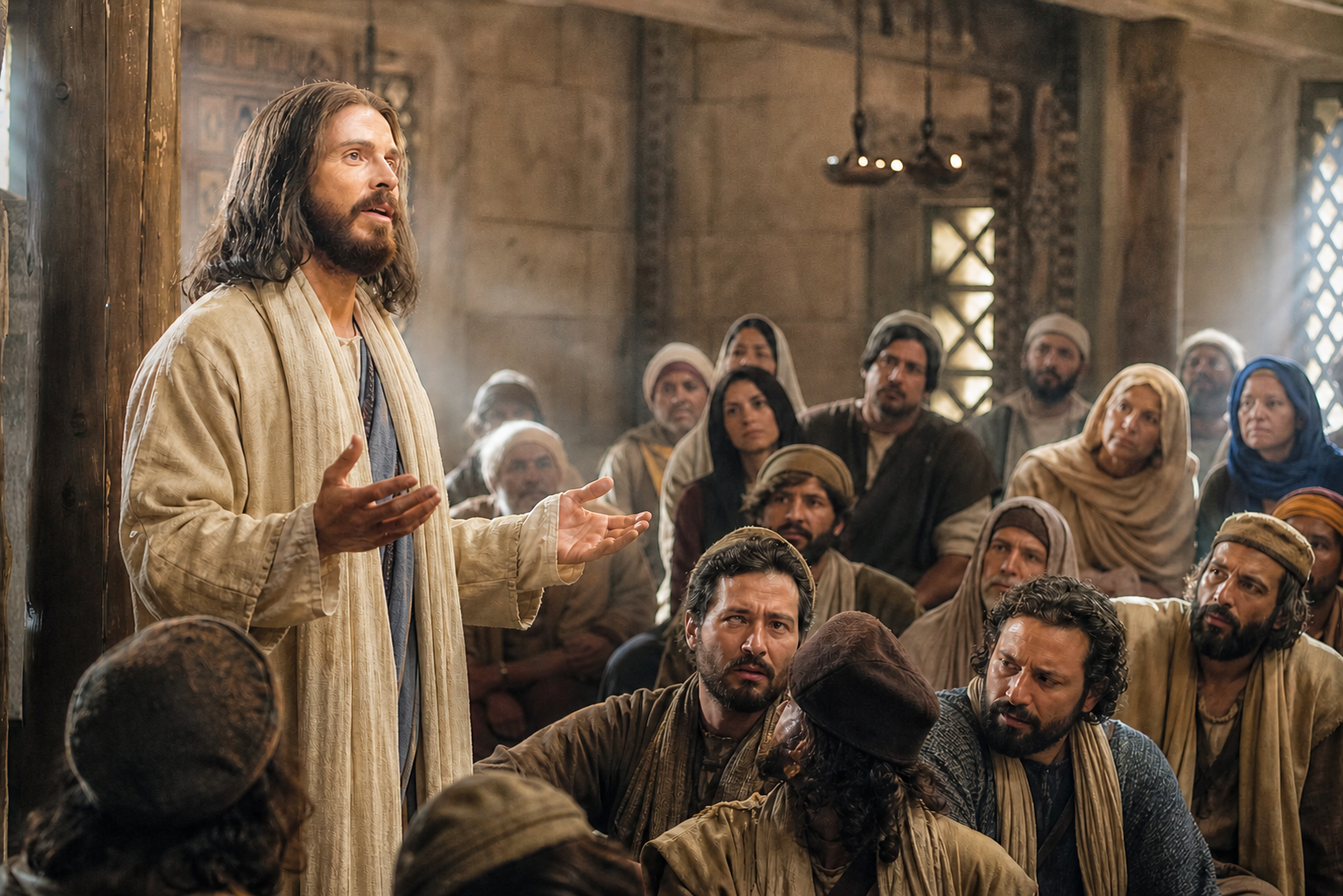
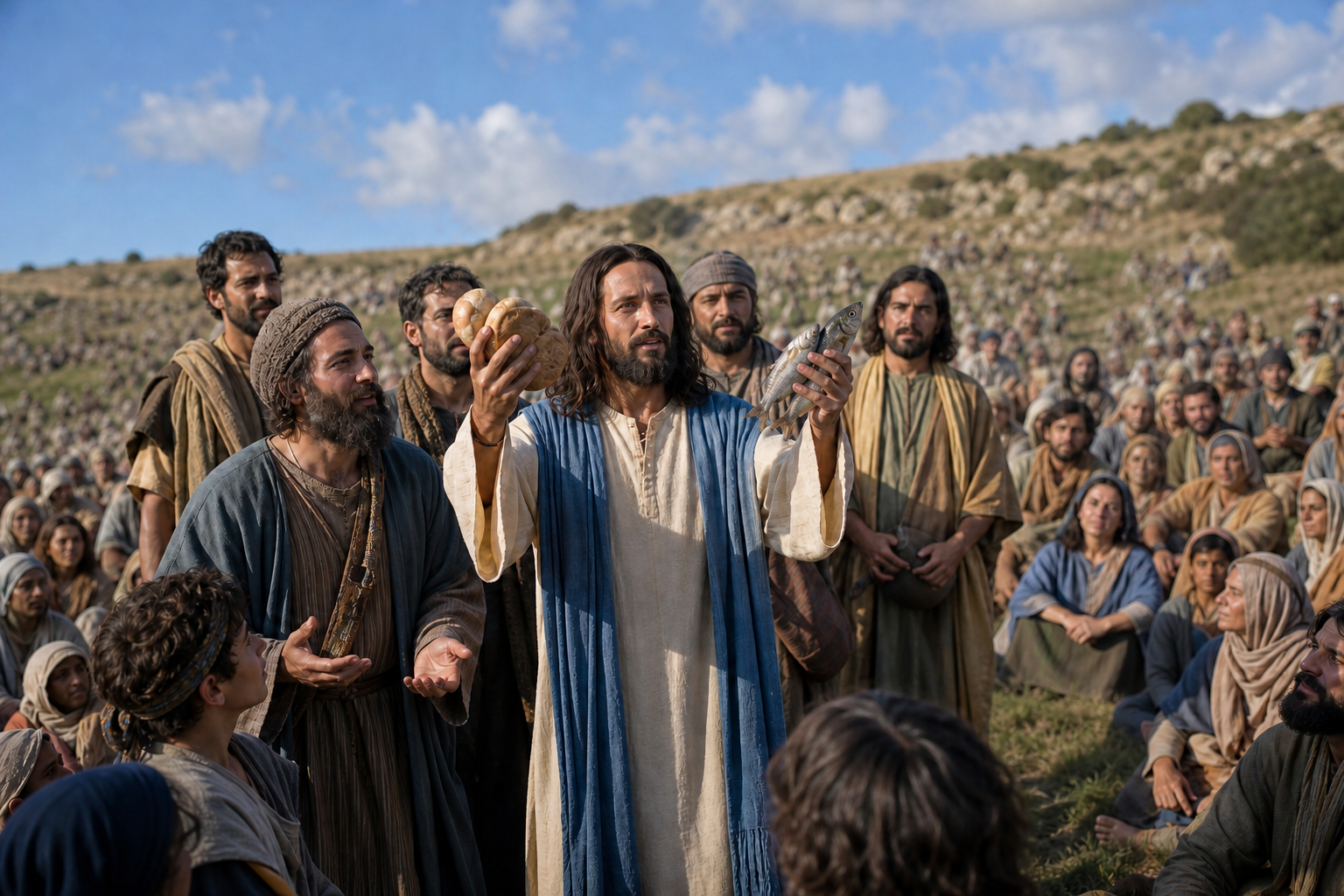
Seeing the World Through Jesus’ Compassionate Eyes In Matthew 9:35–38, Jesus looks over the crowds, feels deep compassion, and declares that the harvest is plentiful but the workers are few, inviting His followers to see people as harassed and helpless sheep in need of a shepherd and to join His mission of gathering them in. This short passage is a turning point in Matthew’s Gospel and in how we understand the mission of the church. Matthew gives us a sweeping summary: Jesus moves through all the towns and villages, teaching in the synagogues, sharing the good news of God’s kingdom, and healing every kind of sickness and disease. If you read Matthew 3–9 together, you can see a beautiful story taking shape. In chapters 3–4, Jesus is prepared and commissioned. In chapters 5–7, He teaches with authority in the Sermon on the Mount. Then, in chapters 8–9, Matthew gathers ten miracle stories to show that there is no need or struggle Jesus cannot meet. Leprosy, paralysis, fevers, storms, demons, even death; one by one, they bow to His authority.
Read MoreAn Acts 2 Church: Living Easter Every Day

What Acts 2:42–47 Reveals About a Healthy Church Acts 2:42–47 paints a warm picture of a Spirit‑filled church family devoted to the apostles’ teaching, sharing life together, breaking bread, and praying, and God keeps adding new believers to their number. It reminds us that a healthy church stays deeply connected to Jesus while joyfully welcoming others into this life‑changing community. Acts 2 is a beautiful snapshot of the very first Easter community. About three thousand people have just responded to Peter’s message at Pentecost. Many of them never heard Jesus teach in person, never walked through Holy Week with him, and never saw the empty tomb, yet the gospel reaches their hearts. The good news of Jesus is not a short‑term offer; it is still powerful and life‑giving “even 50 days later.”
Read MoreOne Week to Witness After Easter

Why the Week After Easter Matters for Your Faith The week after Easter is a gift, a week to live as a joyful witness to the risen Jesus Christ. Instead of leaving resurrection joy behind at church, you get to carry Christ’s peace into the anxious and uncertain places of your life, just as the disciples did behind locked doors in John 20:19–23. John tells us that on Easter evening the disciples were fearfully hiding behind locked doors when Jesus suddenly came and stood with them, saying, “Peace be with you.” He showed them his wounded hands and side, and their fear overflowed into joy. In that moment, Jesus didn’t shame them for running away during his arrest. He met them right where they were, in their anxiety and regret, and framed everything in peace, not payback. That same gracious pattern is still how he meets us today.
Read MoreWe are Witnesses: Living Easter Every Day

What it Means to be a Witness of the Risen Jesus To be a Christian witness means encountering the risen Jesus in a real way and then simply and honestly sharing what God has done. In Acts 10, Peter tells Cornelius, “We are witnesses” of Jesus’ life, death, and resurrection, and of how the living Christ is still at work, moving, teaching, and reigning in our world today. Peter’s words in Acts 10:34–43 come at a beautiful turning point in Scripture. Up to this moment, the story of Jesus has seemed mostly centered on Israel. But now, in the home of a Gentile centurion named Cornelius, Peter proclaims that God raised Jesus “on the third day and caused him to be seen” (Acts 10:40). As one commentator puts it, this moment is like a hinge where the Gospel opens out from Israel to the whole world, carried by the joyful eyewitness testimony of the resurrection (Bible Hub). Though Jesus was rejected and laid in a rock-hewn tomb, crowned with thorns and surrounded by hardened hearts, the story did not end there.
Read MoreThe Call to Be Salt and Light in the World

Understanding the Sermon on the Mount The Sermon on the Mount is one of the most cherished and significant teachings of Jesus, found in Matthew chapters 5–7. In it, Jesus shares a collection of sayings and teachings that reveal the heart of the Kingdom of Heaven and the kind of life He desires for His followers. He speaks about the Beatitudes, the Lord’s Prayer, the Golden Rule, and much more. A central theme throughout is His invitation for believers to be “salt and light” in the world, people whose everyday lives reflect the beauty and glory of Christ to those around them. The Meaning of Being 'Salt of the Earth'
Read MoreFinding Jesus in His Future: A Journey Through Scripture

Understanding Jesus' Future The Bible offers a rich tapestry of prophecies and teachings about the future of Jesus. From Old Testament promises to New Testament revelations, we see a steady, reassuring message: Jesus’ future is both promised and certain. In Micah 6, the prophet reminds us of God’s enduring purposes for His people, calling us to live with justice, mercy, and humility. In the New Testament, especially in passages like 1 Corinthians 15, we’re invited to rejoice in Christ’s victory, His resurrection, His ascension, and His promised return to judge the living and the dead. As we spend time in these Scriptures, we begin to see that Jesus’ future is not a distant idea but a living, active reality. Even now, He is at work, seated at the right hand of the Father, praying for us, leading His church, and gently guiding us toward a glorious future with Him. This scriptural hope reminds us that Jesus’ future is filled with joy, purpose, and God’s faithful promises coming to fruition.
Read MoreUnderstanding the Nicene Creed: Worship and Witness

The Dual Role of the Nicene Creed: Worship and Witness The Nicene Creed serves a dual purpose in the life of the Christian church: it shapes both worship and witness. As highlighted in the final sermon of the 'We Believe' series, the creed answers the fundamental question posed by Jesus: "Who do you say that I am?" This question is asked not only by Jesus to his followers but also by the world to the church. Our response to Jesus forms the heart of our worship, while our answer to the world becomes our living testimony. In this way, the Nicene Creed helps us both experience God deeply and clearly express our beliefs, grounding us in truth and guiding us as we live out our faith.
Read MoreTear the Roof Off: Faith in Action
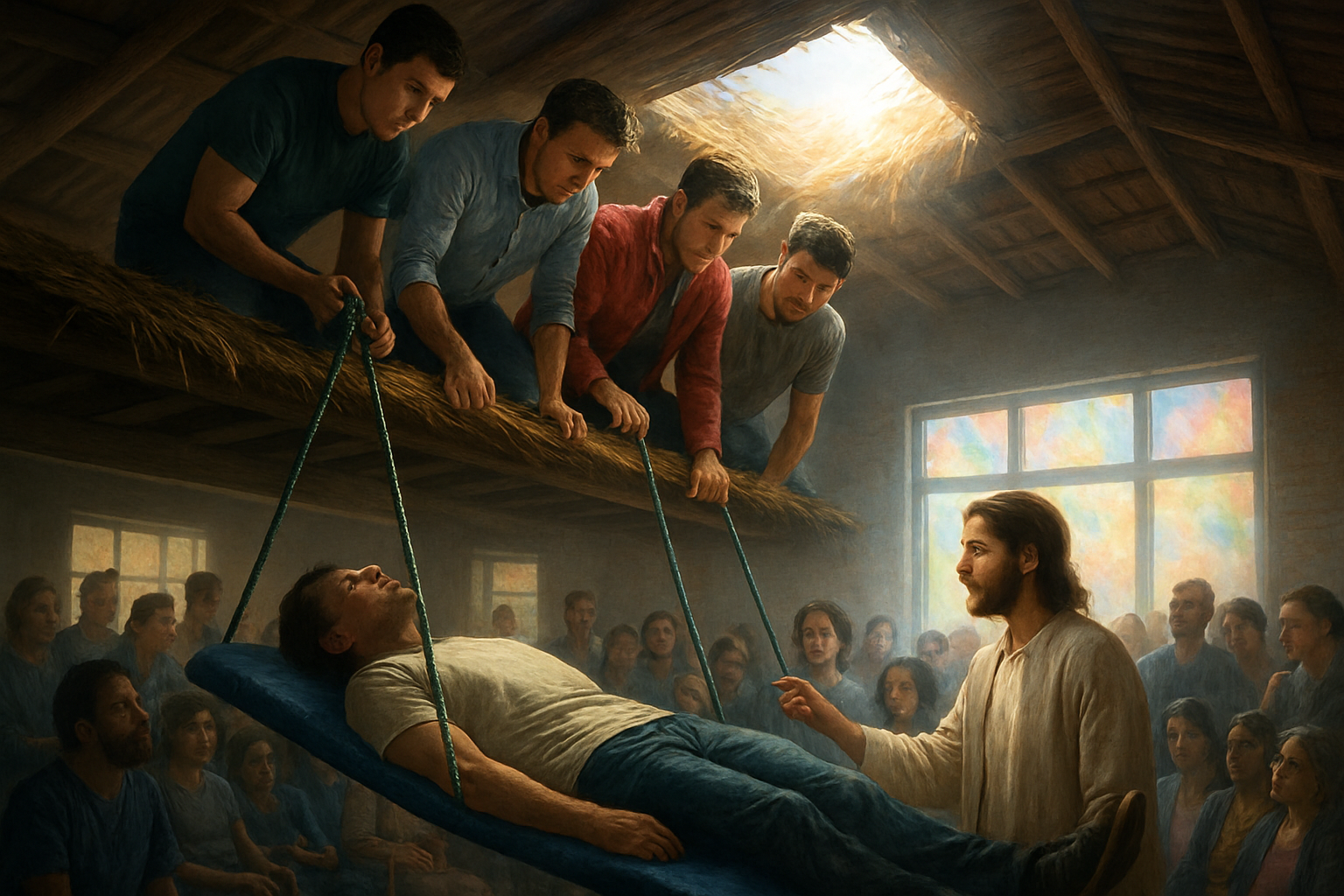
The Story of Luke 5:17–26: A Testament of Faith The story found in Luke 5:17–26 is a beautiful reminder of what faithful friendship looks like in action. It tells of a group of friends who, caring deeply for their paralyzed companion, wouldn’t let anything stand in the way of bringing him to Jesus. When the crowd blocked their path, they didn’t give up—instead, they found a creative solution and lowered their friend through the roof so he could receive the healing he needed. Their bold faith not only brought about physical restoration but also revealed the incredible impact that faith and a supportive community can have in our lives.
Read MoreExploring the Spiritual Journey in Colossians

The Context and Importance of the Letter to the Colossians The New Testament Letter to the Colossians is an encouraging part of Christian teaching, filled with wisdom that speaks to our hearts today. Written by the Apostle Paul, this letter was meant to uplift the early Christians in Colossae, reassuring them to hold on to their faith, even when times got tough. As we explore the background of this letter, we discover not just historical details, but living words that are just as meaningful for us now as they were then. Paul’s message continues to inspire, guiding us on our own spiritual journeys and connecting us as a community of believers.
Read More